
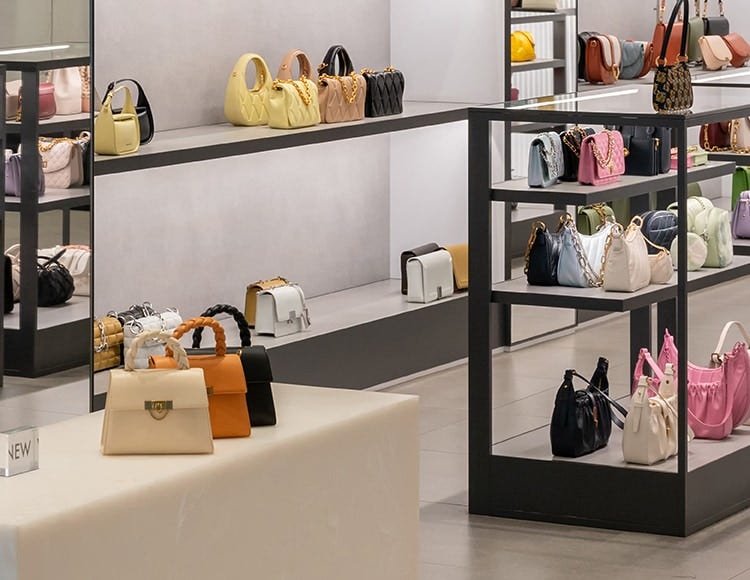
Summertime boost for retail sales as consumers make the most of the heatwave
The latest ONS retail sales figures show volumes rose by 0.5% in August, driven by department stores (up 1.8%), non-store retailing (up 1.7%), and clothing and footwear (up 1.1%).
Jacqui Baker, partner and head of retail at RSM UK, said: “Summertime boost for retail sales as consumers make the most of the heatwave. With increases across the board, and department stores and clothing in particular seeing a welcome boost. As retailers enter the all-important Golden Quarter, the hope is that this momentum continues.
“As inflation ticks up and energy prices increase, the cost-of-living squeeze looks set to intensify. This is far more pronounced among families with disposable income after essentials, hitting its lowest level in August since November last year. Families drive volume across the consumer-led economy, so when they come under pressure, the ripple effects are felt across all consumer businesses.
“Retailers and consumers will be looking ahead to the Autumn Budget for further cost of living measures to help stimulate spending in the run up to Christmas.”
Thomas Pugh, chief economist at RSM UK, added: “The rebound in retail sales volumes in August suggests consumers continued to spend through the end of the summer, despite rising oil prices and the hangover from the World Cup. This is a good sign that growth isn’t going to fall off a cliff in Q3.
“However, the Bank of England highlighted yesterday that “there was the possibility of a less stark trade-off between weak output and rising inflation.” In short, if demand continues to hold up in the face of higher energy prices, then it will make it easier for firms to pass on rising input costs to consumers, pushing up inflation. Today’s retail sales data will play into that fear as sales volumes rose despite price inflation ticking up in August. That dynamic makes an interest rate hike more likely later this year.
“Indeed, the rest of the year looks tougher for consumers. Inflation is now set to rise above 4% early next year, which will squeeze real incomes and rising financing costs, especially if the Bank hikes interest rates, which will further squeeze disposable incomes. The make or break may be the budget. Measures to reduce the cost of living will support consumer spending, but big tax rises will hit confidence and disposable incomes.”