
Retail sales benefit from post-budget bounce
The latest ONS retail sales figures show volumes increased by 0.4% in December, driven by non-store retailing (up 4.2%) and food stores (up 0.2%).
Sales volumes in the final quarter of 2025 jumped 2.1% on the previous year, but were down 0.3% when compared to Q3 2025.
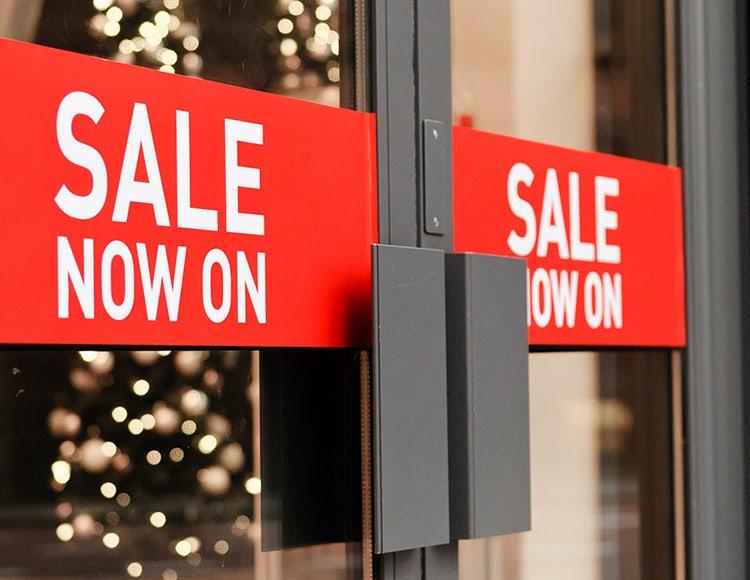
Jacqui Baker, head of retail at RSM UK and chair of ICAEW’s Retail Group, said: “With no major shocks to consumers in the Autumn Budget, this prompted households to loosen the reins on spending in December giving retail sales a post-budget boost. Cost-conscious consumers also took advantage of December sales as retailers pressed the button early on discounting in a bid to shift stock.
“Despite the post-budget bounce, the overall Golden Quarter was disappointing for retailers as uncertainty dragged on sales in the run up to the festive period.
“Food sales were propped up by households stocking up on festive food ahead of Christmas celebrations. Online sales also saw a boost, likely driven by emerging platforms, such as TikTok shop, which are quickly gaining momentum.
“While consumer confidence shows signs of improvement, households remain cautious – taking a saving-over-spending approach. This pain is likely to continue for retailers in the first quarter of the year, but there are hopes that consumer spending picks up in the second half of 2026, helped by easing inflation and another interest rate cut - boosting consumer confidence and spending.
“That said, retailers are set to be hit with an influx of costs rises in the form of business rates and national minimum wage from April. In an increasingly competitive market, it’s imperative they stay ahead of the game by keeping pace with emerging trends, focusing on what their target market truly values, closely monitoring their cost base and leveraging technology to create efficiencies. 2026 is the year where protecting margins becomes ever more critical for retailers’ success.”
Thomas Pugh, chief economist at RSM UK, added: “The rise in both retail sales volumes in December and consumer confidence to -16 in January is a good sign that confidence and spending should improve now that the budget and all its associated uncertainty is in the rear-view mirror. What’s more, retailers managed to increase sales without resorting to heavy discounting as annual price inflation rebounded to 1.6%.
“However, the outlook for consumers is looking a bit tougher this year. A weakening labour market combined with still high inflation means real household incomes are likely to grow by less than 1% in 2026. The outlook for spending hinges on whether consumers continue with their current elevated levels of saving or pare back on this to support consumption. With the household saving ratio elevated and balance sheets in aggregate looking healthy, there is plenty of room for consumers to save a little less and spend a bit more, but only if they are confident enough. A disruptive leadership contest, which opens the door to another round of tax increases, is a significant downside risk to confidence continuing to recover.”